What makes a porta potty ADA compliant?
It's not just a bigger box. An ADA accessible porta potty needs a 60 inch diameter turning circle inside the unit, per ADA Standards section 304.3.1, so a wheelchair user can rotate fully without backing out. The door opening has to clear 32 inches minimum under section 404.2.3, and the path getting to the unit needs 36 inches of clear width under section 403.5.1. Grab bars, a raised toilet seat height, and interior space for a companion aren't extras, they're the point. Operable parts like the door latch have to work with one hand and take no more than 5 pounds of force under section 309.4, since a tight pinch-and-twist latch defeats the whole unit. We place these units the same way we'd place any standard porta potty rental in Toms River, just with more room to maneuver around it.
Where does an ADA unit need to sit on site?
Ground surface matters as much as the unit itself. ADA Standards section 302.1 calls for stable, firm, slip-resistant ground, which rules out loose gravel or soft turf right under the door. If there's a ramp involved to reach the pad, section 405.2 caps the running slope at 1:12, so a foot of ramp for every inch of rise. On a construction site this usually means coordinating with the porta potty placement guide before delivery day, not after. We've run deliveries into sites across Toms River and out toward Berkeley, about 7.7 miles south, and the sites that plan ground prep ahead of time never end up with a unit stuck on a slope nobody can use. Reach range matters too: section 308.2.1 sets forward reach at 48 inches high and 15 inches low, which is why dispenser and hook placement inside the unit isn't arbitrary.
Does OSHA require ADA units on construction sites?
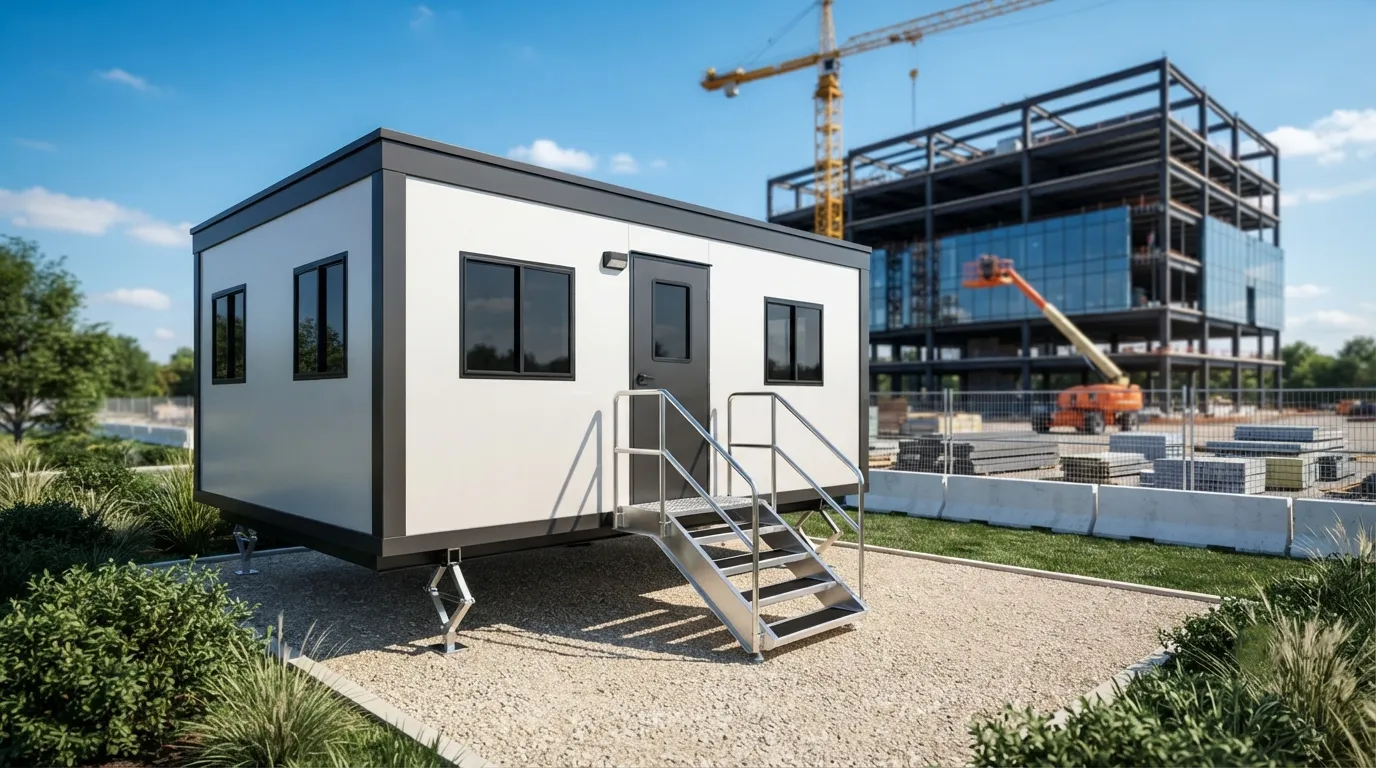
OSHA's toilet count rule and the ADA's accessibility rule are two separate things, and people mix them up constantly. OSHA 1926.51(c) sets how many toilets you need based on crew size: one unit for 20 workers or fewer, then one toilet and one urinal per 40 workers as the crew grows past that, scaling down to one per 50 once you're past 200 workers. That's a headcount rule. ADA Standards section 213.2 is layered on top of it and applies once you're clustering units, requiring that 5 percent slice to be accessible regardless of what OSHA's ratio says. So a general contractor running construction site services in Toms River needs to run both calculations, not just one. Our OSHA portable toilet requirements page breaks down the worker-count side in more detail if that's what you're sizing right now, and how many porta potties do I need walks through the math for mixed crews.
Are ADA units required at outdoor events too?
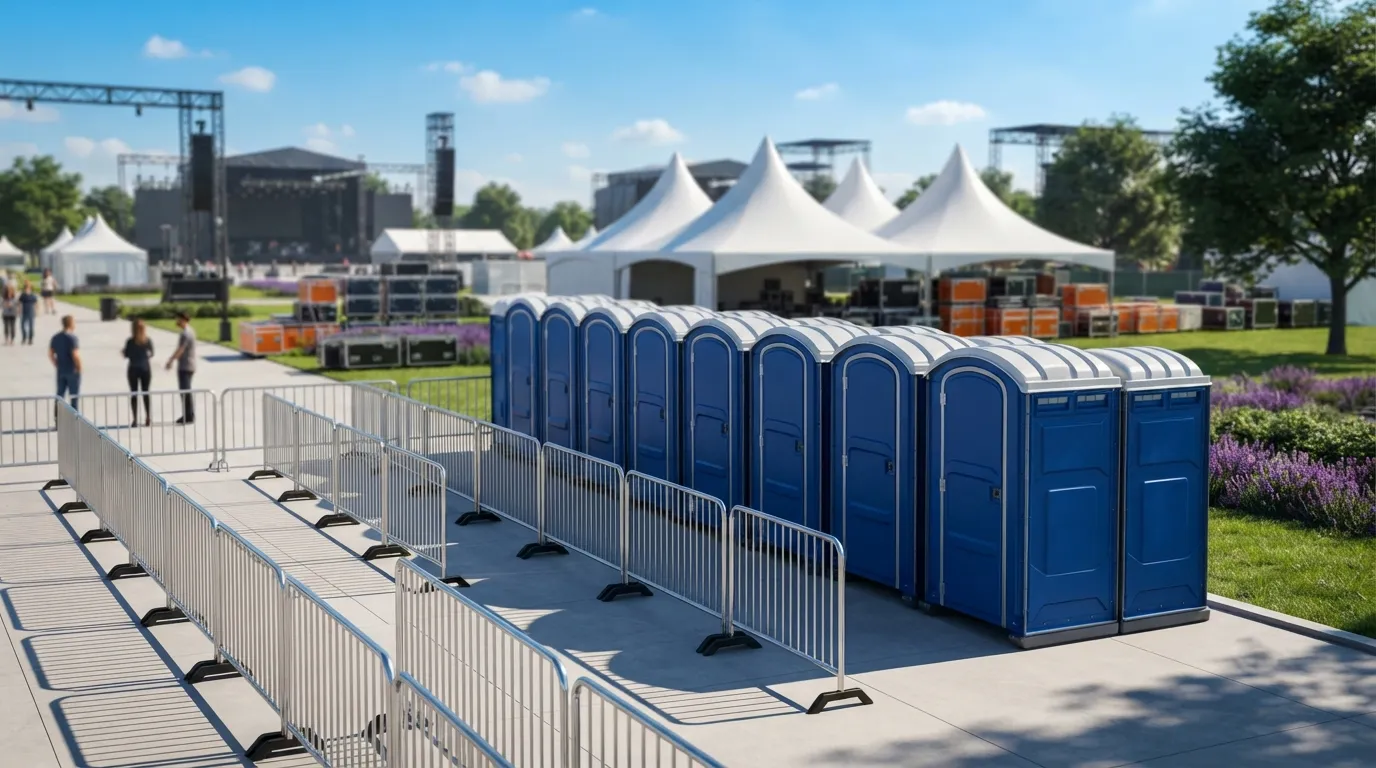
Public-facing events carry the same 5 percent rule, and it tends to matter more there because attendance is less predictable than a job site roster. A wedding restroom rental with twelve standard units still only needs one accessible unit to satisfy section 213.2, but a festival restroom rental or concert restroom rental with forty units needs at least two. Race organizers running a marathon and race restrooms layout along a Toms River route should plan accessible units at start, finish, and at least one mid-course point, since ADA doesn't recognize a single unit at headquarters as covering a spread-out course. Same logic applies to a county fair restrooms footprint or a golf tournament restrooms setup with units scattered across a course. If you're not sure how a spread-out event pencils out, our event restroom rental page and the porta potty rental checklist both cover placement math for multi-unit events.
ADA vs standard unit, what's the price difference
| unit | duration | typical price |
|---|---|---|
| standard | day | $150 |
| standard | week | $200 |
| ada | day | $230 |
| ada | week | $185 |
ADA units cost more on a single day rental but the gap narrows on a week-long booking. For full pricing context, see porta potty rental cost or the daily breakdown at porta potty rental per day. Longer jobs should check monthly porta potty rental since month-long ADA needs are common on extended builds around Toms River, including projects out toward Manchester, 14.2 miles west, or Howell, 14.9 miles north.
How many ADA units do I need for 100 guests?
At least one, per ADA Standards section 213.2's 5 percent minimum. If your headcount and OSHA ratio under 1926.51(c) puts you at four or five total standard units for 100 people, one accessible unit still covers the requirement since 5 percent of a small cluster rounds up to one, never fewer.
Can I rent just one ADA unit without standard units?
Yes. A single ADA unit works fine as a standalone rental for a small event or job site in Toms River. Check porta john rental or portable toilet rental for base options if you're comparing standalone unit types before deciding.
Does an ADA restroom trailer meet the same standards?
Yes, the same clearance and reach rules apply inside a trailer as inside a single unit. Our restroom trailer rental and luxury restroom trailer options both include ADA-compliant layouts; ask when booking since not every trailer configuration includes one by default.
Is hand sanitizer enough for an ADA-compliant unit?
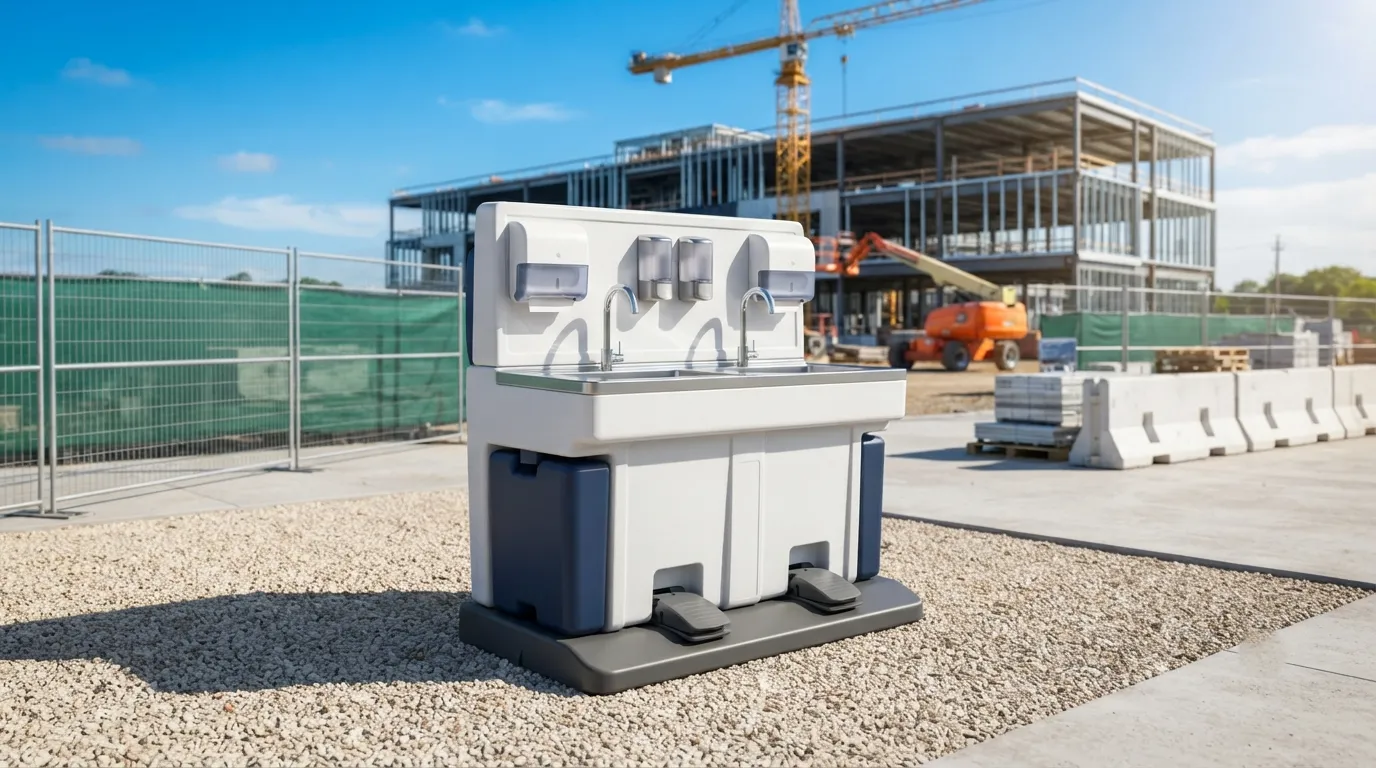
No. 29 CFR 1910.141(d)2) requires soap and towels or a hand-drying device, and sanitizer alone doesn't satisfy that. A handwashing station rental or portable sink rental paired with the ADA unit covers this properly.
What if my Toms River event needs ADA units on short notice?
Call ahead but same-window bookings do happen. Our emergency porta potty rental service can often place an ADA unit fast; reach out through request a quote or contact to check current availability.
Next step
Get a delivery date
Tell us the address, the dates and the headcount. We size the order and confirm the route.