
How many restrooms does a wedding need?
There's no fire-code-style formula for weddings the way there is for job sites, but a rough guide works: one unit per 50 guests for a four-hour reception, more if you're serving alcohol for longer. A 100-guest wedding usually does fine with a 2 stall restroom trailer, while anything past 150 guests starts pushing toward the 4 stall restroom trailer or a luxury restroom trailer with separate stations for each gender. If your venue is more than a few miles outside Toms River proper, plan the count generously since a return trip mid-event isn't realistic. Berkeley sits 2.3 miles north of Toms River and Manchester is about 3.0 miles northeast, both close enough for a same-day swap if something goes wrong, but venues further out need everything right the first time. We size events using the same logic laid out on our how many porta potties do I need page, adjusted for the fact that weddings run shorter and heavier than an eight-hour shift. If your venue already sits near a septic system, ask your caterer about the tank; a typical residential tank gets pumped every 3 to 5 years depending on household size, and a wedding reception can push a marginal system past its limit for a night. That's a separate conversation from restroom rental, but it's worth having before the big day, and our septic pumping service page covers what a pre-event inspection looks like.
What's the difference between a porta potty and a restroom trailer for a wedding?
A standard unit has a 60 to 70 gallon holding tank, stands about 92 inches tall, and does the job for a barn wedding or backyard reception where nobody's dressed up. A restroom trailer runs plumbing, interior lighting, and often climate control, which matters more once the sun goes down at an October Toms River wedding. Couples booking a wedding restroom rental for a formal venue almost always go trailer over standard, partly for looks and partly because a trailer handles higher water fixtures without the queue. If your budget sits in between, a deluxe flushable porta potty splits the difference: it flushes, has a small sink, and costs less than a trailer while beating a standard unit on comfort. One thing to flag for accessible venues: any wedding with an accessible guest list should ask about an ADA accessible porta potty, since ADA Standards section 213.2 calls for at least one accessible unit whenever units are clustered, and section 304.3.1 specifies a 60 inch turning circle inside it. That standard exists for construction sites and public events alike, and a wedding coordinator checking accessibility boxes should know it's there. We also get asked whether trailers need a level pad; yes, and our porta potty placement guide covers grading and clearance for delivery trucks.
Where should restrooms go at a wedding venue?
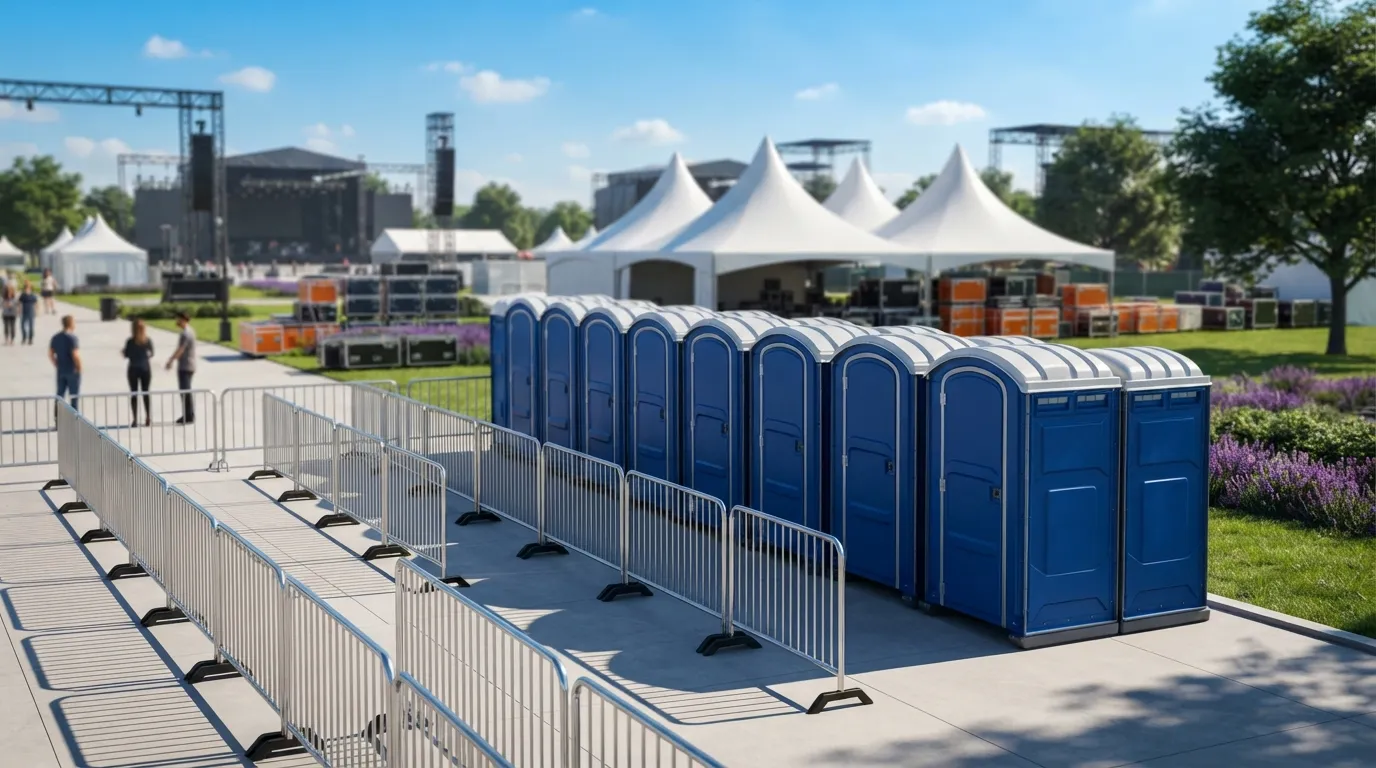
Close enough to find, far enough that nobody hears the tank truck. That's the short answer, and it holds whether you're renting a single standard porta potty rental for a small ceremony or a full 8 stall restroom trailer for a 300-guest reception. Delivery trucks need roughly 60 feet of straight clearance behind them to set a roll-off or trailer safely, so gravel drives and tight side yards should get scouted ahead of time, not discovered on delivery morning. Placement also affects your parking flow: nobody wants a restroom line crossing the photographer's backdrop or blocking the cake table sightline. If your venue sits near Lacey, about 6.1 miles southeast of Toms River, or out toward Manalapan at 9.3 miles southeast, factor that drive time into your delivery window since crews stage from Toms River. Ground surfaces matter too: ADA Standards section 302.1 calls for stable, firm, slip-resistant surfaces on accessible routes, which rules out setting a unit straight into soft lawn if you're expecting anyone using a wheelchair or walker. For late-season weddings, check our porta potty in winter page before you finalize a spot, since frozen ground changes what's deliverable.
Frequently Asked Questions
How much does a wedding porta potty rental cost near Toms River?
Standard units run $100 to $350 a day depending on quantity and add-ons, while a full weekend restroom trailer rental for a wedding typically falls between $900 and $3,000. Delivery fees add $100 to $500 depending on distance and access. See our porta potty rental cost page for a fuller breakdown by unit type.
Do wedding porta potties need a permit in Toms River?
Placement in the public right of way needs confirming with the city before delivery day, since permit rules vary by parcel and venue type. Private property generally doesn't require the same review. Check our porta potty permit requirements page, and ask your venue coordinator what's already been cleared.
How far in advance should I book a restroom trailer for a wedding?
Book as soon as your date and guest count are set, especially for peak wedding season weekends when trailers get reserved months out. Last-minute requests are possible but limit you to whatever's available. Our request a quote page gets a real answer back fast if your date is close.
Can a porta potty rental work for an outdoor Toms River wedding without a bathroom nearby?
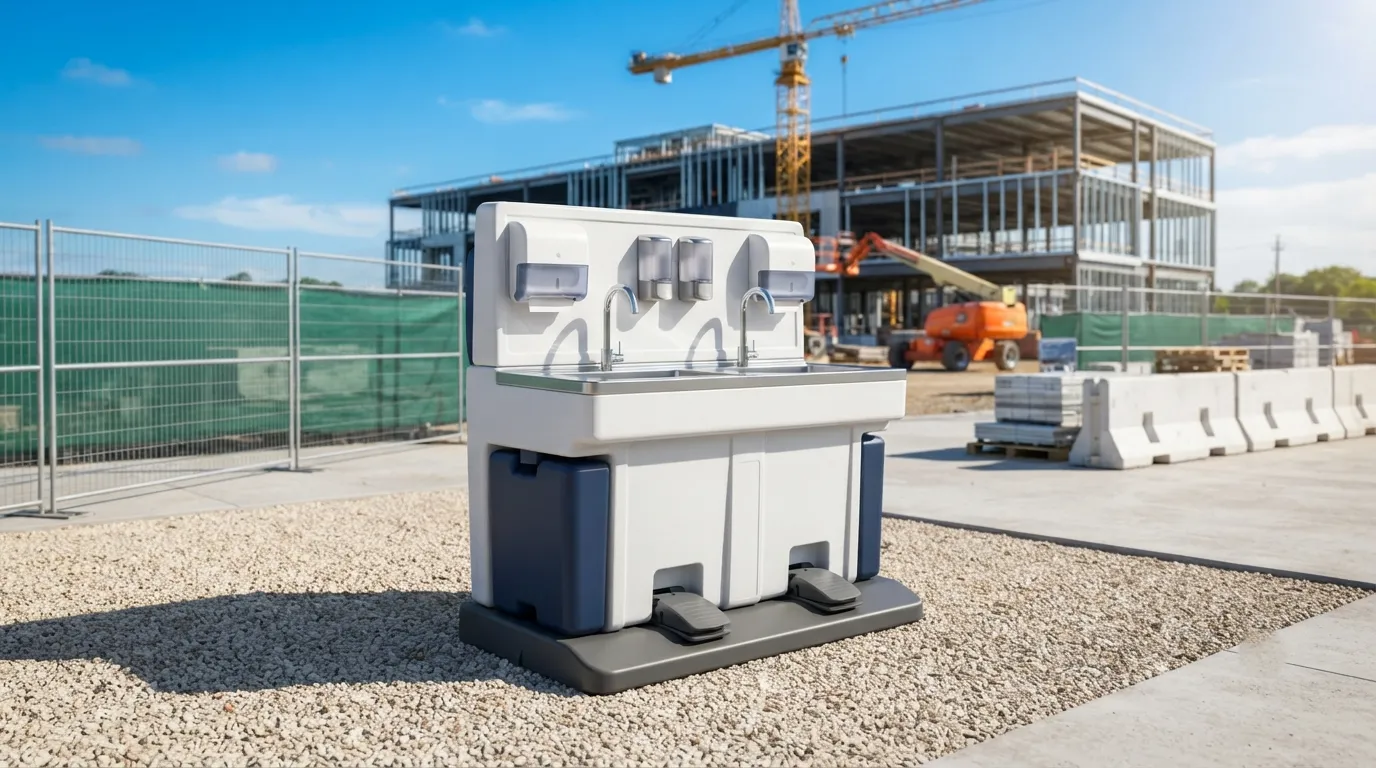
Yes, that's the most common reason couples call. A portable restroom rental replaces indoor plumbing entirely for a backyard, farm, or park ceremony, and pairing it with a handwashing station rental covers sanitation without running water to the site.
What's the difference between renting for a wedding and renting for a construction site?
Wedding rentals prioritize appearance and quiet operation, while job site rentals follow OSHA 1926.51(c) worker-count ratios and take more wear. A wedding unit gets serviced and staged to look good on arrival, not just to meet a headcount formula. Our construction site services page covers the industrial side if you need both.
Next step
Get a delivery date
Tell us the address, the dates and the headcount. We size the order and confirm the route.