
How Much Does Septic Tank Pumping Cost?
Most Toms River households pay within the $150 to $300 day-rate band, and that range covers a typical 1,000 gallon tank pumping under normal conditions. Price moves with tank depth, how far the truck has to run its hose, and whether the lid needs digging out. A tank buried under a deck or behind a fence costs more to reach than one with a clean, marked riser. If you need service outside a weekday slot, budget for the weekend premium noted above rather than assuming the day rate carries over. Homeowners near Berkeley, about 7.7 miles south of Toms River, and Manchester, roughly 14.2 miles west, see the same pricing structure since distance inside the local service radius does not change the tank-side work, and the same logic applies to households comparing septic tank pumping service calls against a one-off porta john rental for a renovation. For a full breakdown by tank size and condition, see our septic tank pumping cost guide, and if the tank is overdue, our septic tank warning signs page walks through what backups and slow drains usually mean before a tech ever shows up.
What Drives Septic Tank Cleaning Prices Up or Down?
Access is the biggest swing factor. A tank with an exposed riser and a driveway close by costs less to service than one requiring a long hose run or excavation to find the lid. Tank size matters too. A typical 1,000 gallon septic tank is usually pumped every 3 to 5 years, and that interval shifts with household size, since more people means more solids building up faster. Grease and solids also change the job: a related system, a grease interceptor, gets pumped once fats, oils, grease and solids reach 25 percent of liquid depth, and residential tanks follow a similar logic where solids accumulation drives the schedule more than the calendar does. If your tank has never been mapped, our septic tank cleaning page covers what a first-time service visit involves. Restaurants and commercial kitchens dealing with grease buildup separately should look at grease trap pumping rather than standard tank service, since the two systems are inspected on different triggers, and construction crews handling similar wastewater questions on an active build should start with construction site services.

How Often Should a Septic Tank Be Pumped?
A standard residential tank is pumped every 3 to 5 years, but that is a range, not a rule, and household size pushes it either direction. A family of five fills a tank faster than a couple living alone, even with the same tank capacity. Waiting too long risks solids reaching the outlet baffle and clogging the drain field, which turns a routine pumping into a much bigger repair. If you are unsure where your property sits in that window, our how often to pump a septic tank page has a longer breakdown by household size and tank capacity. Signs that you have waited past the window, like slow drains or a soggy patch over the drain field, are covered on our septic tank warning signs page. Toms River properties on older systems, particularly those installed before more recent tank sizing became standard, tend to need closer attention to this interval rather than a flat 5 year assumption, and homeowners doing a remodel in the meantime often add a home renovation porta potty to keep bathroom access covered while the yard is torn up.
Do I Need a Permit for Septic Pumping in Toms River?
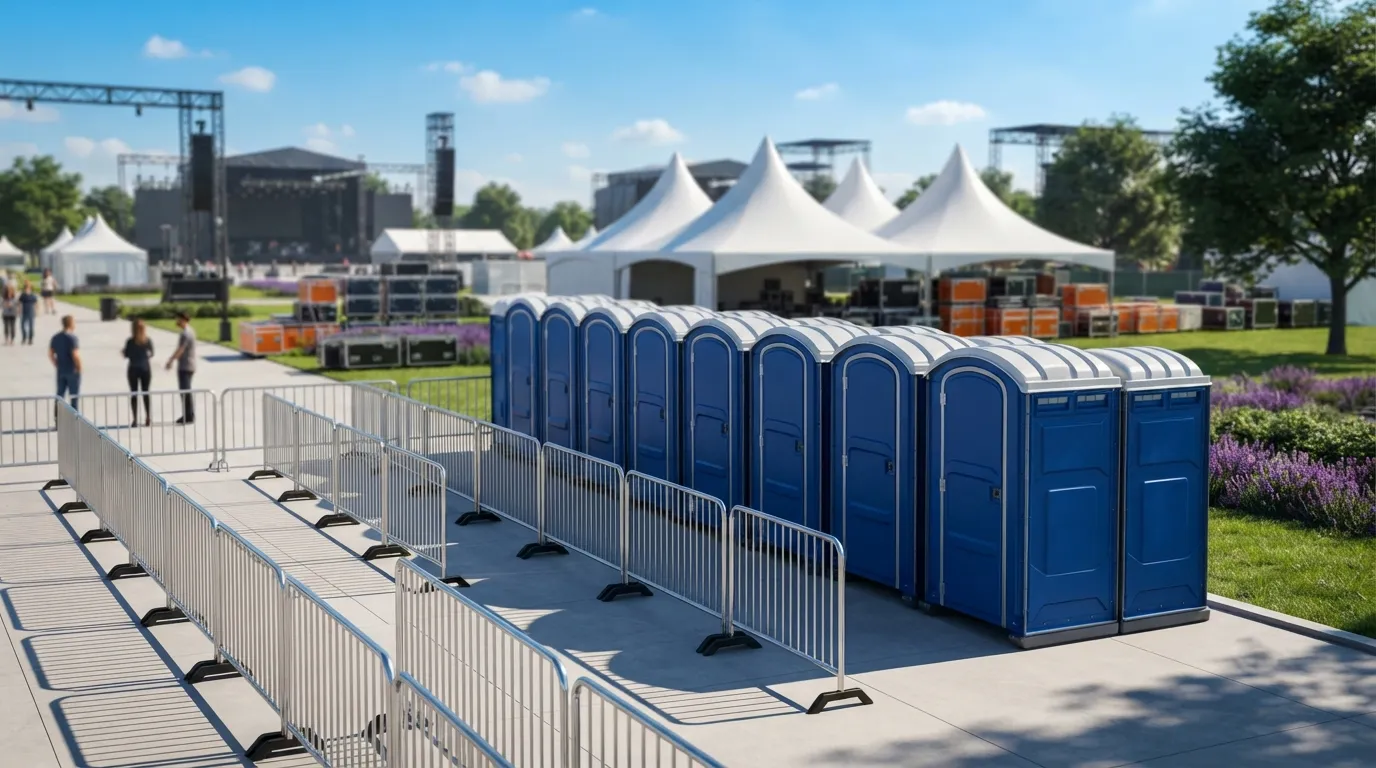
Routine pumping itself generally does not require a permit, since you are not altering the system, but any repair, replacement or drain field work almost always does. Because permit rules vary by project type and change over time, confirm specifics with Toms River before scheduling any work beyond a standard pump-out. This is also true for placement of holding tanks or portable restrooms on a jobsite, where our porta potty permit requirements page explains the same confirm-with-the-city approach for a related situation. If your septic issue involves an emergency, backup, or a failed system needing immediate attention, our emergency septic service team handles that separately from scheduled maintenance, and timelines there run differently than a planned pumping appointment, much like an emergency porta potty rental covers a jobsite that loses restroom access without warning.
What Happens During a Septic Tank Pumping Visit?
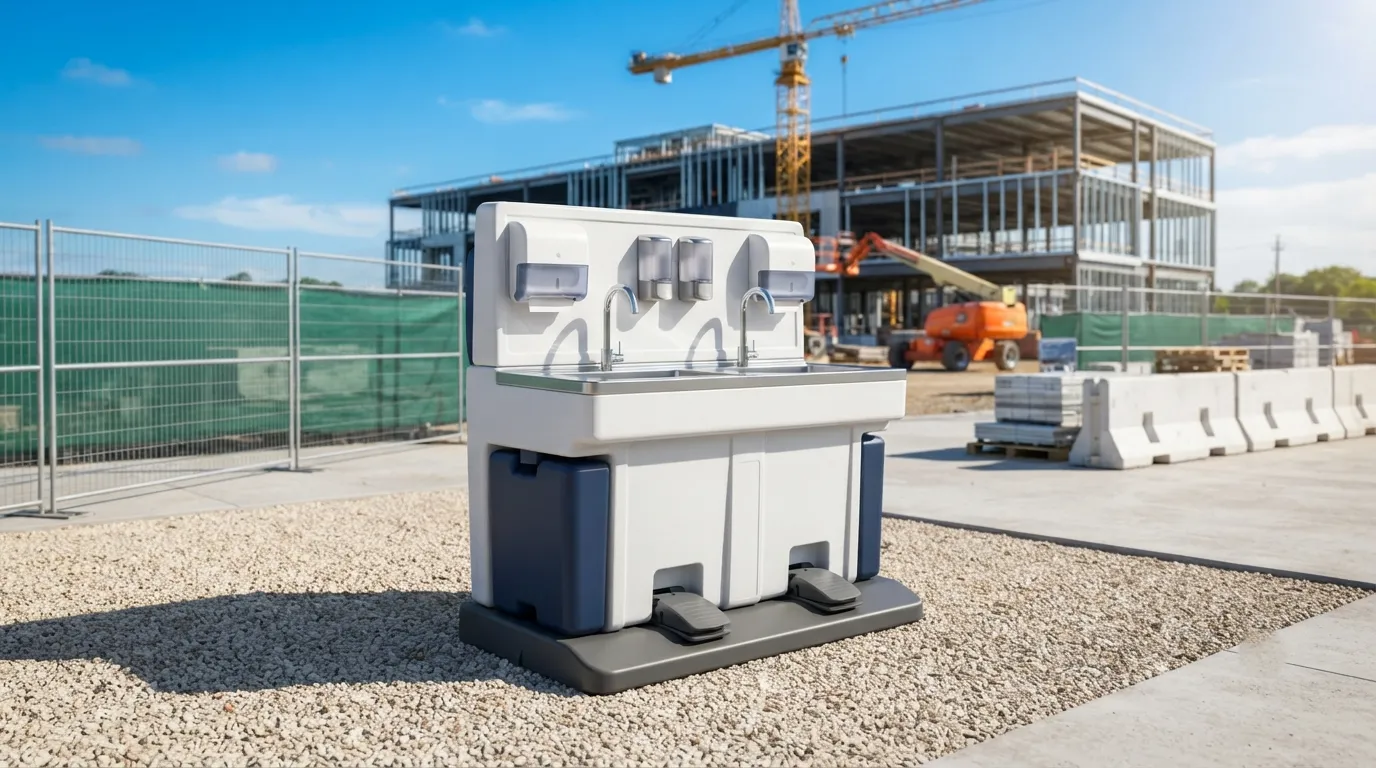
A tech locates the tank, exposes the lid or digs to it if needed, and pumps out the liquid and solid contents through a vacuum hose run from the truck. On most residential jobs this takes under an hour once access is clear. The crew checks the baffles and tank walls for damage while they are in there, since that is the easiest time to catch a crack or a failing baffle before it becomes a bigger problem. If your property does not have a permanent tank, for example a construction site or a remote property, a holding tank rental is a different setup entirely and gets serviced on a different schedule. Toms River properties near Lacey, about 16.4 miles southwest, and Manchester, 14.2 miles west, follow this same process regardless of which side of the county line the tank sits on, and crews often pair the visit with a septic tank cleaning check if the tank is due. For sites without any wastewater infrastructure at all, portable sanitation from our portable toilet rental lineup is worth comparing against a temporary holding tank setup, and event organizers weighing the same tradeoff should look at event restroom rental options before committing to a tank rental.
Pricing Reference
| Service | Duration | Low | Typical | High |
|---|---|---|---|---|
| Septic pumping | Day | $150 | $250 | $300 |
| Septic pumping | Weekend | $50 | $100 | $150 |
Weekend pricing above reflects the added charge on top of standard service, not a full standalone visit.
How much does it cost to pump a 1,000 gallon septic tank?
A 1,000 gallon tank, the most common residential size, falls within the standard $150 to $300 day-rate range in Toms River. Where you land in that range depends mostly on access and how much solid buildup has accumulated since the last pumping.
How do I find septic tank pumping near me in Toms River?
Start with a request a quote call so a dispatcher can confirm your address falls within the standard service radius, or check the service areas page for full coverage. Toms River Porta Pros also services nearby towns like Howell, about 14.9 miles north, on the same pricing structure, and buyers who also need a dumpster on site can compare roll-off dumpster rental options in the same call.
Can I pump my septic tank myself?
No. Septic pumping requires a vacuum truck and licensed disposal of the waste, which is not something a homeowner can legally or safely do alone. Always book a scheduled service rather than attempting it yourself, and if you're weighing costs across services, our septic tank pumping cost and porta potty rental cost pages break both down side by side.
Why does septic pumping cost more on weekends?
Weekend visits carry a premium, typically $50 to $150 above the standard day rate, because crews are working outside normal weekday routing. Booking ahead during the week avoids that added cost entirely.
What is the difference between septic pumping and a holding tank service?
Septic pumping empties an in-ground tank connected to your home's plumbing. A holding tank rental is a standalone unit used where no permanent septic system exists, like a construction site, and it gets serviced on its own schedule.
Next step
Get a delivery date
Tell us the address, the dates and the headcount. We size the order and confirm the route.