
Why do porta potties smell in the first place?
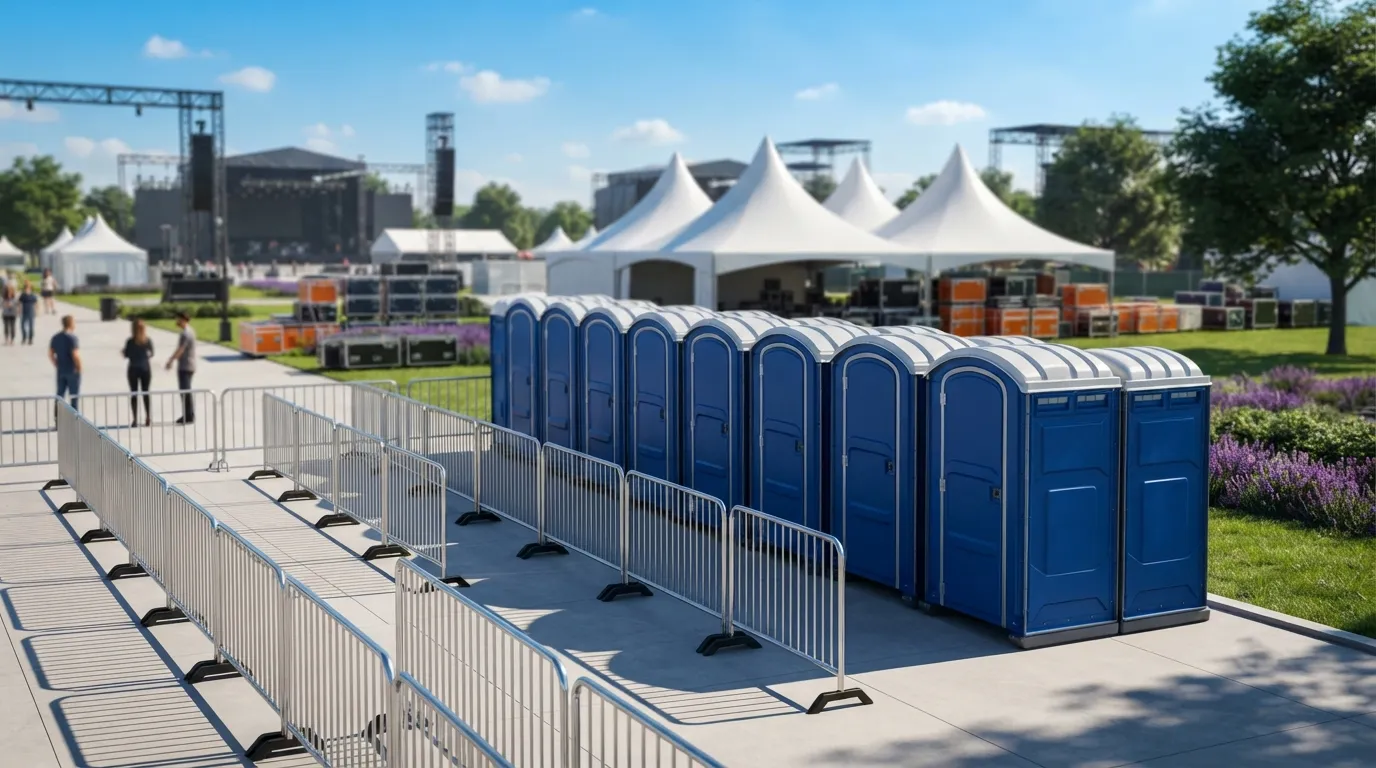
Odor comes from the tank, not the plastic. A standard unit holds a 60 to 70 gallon tank, and once waste, toilet paper and blue chemical mix in there, gas builds up fast in warm weather. Toms River summers push that faster than a cool October job. The fix is airflow and turnover, which is why placement matters: a unit set in full sun bakes all day and smells worse by afternoon, while one under partial shade holds up better between services. Our porta potty placement guide covers where to put units so they don't cook. Usage volume matters too. A crew of 15 on a home addition in Toms River will fill a tank slower than a wedding with 150 guests over one weekend, which is why event restroom rental plans usually call for extra units or a faster service interval. If you're not sure how many you need for your headcount, the how many porta potties do I need guide walks through the math.
Does the type of unit change the smell?
Yes, a deluxe flushable porta potty smells less than a standard unit because it uses a real flush action to push waste down and away from the seating area, instead of relying on gravity and chemical alone. A restroom trailer rental goes further still, with a flush toilet, sink and often climate control, which keeps odor from building the way it does in a sealed plastic box sitting in direct sun. For weddings and corporate events in Toms River, a lot of clients step up to the luxury restroom trailer or a 2 stall restroom trailer for exactly this reason. Compare the options in the table below before you decide what fits your event.
| Unit type | Typical week rate | Odor control |
|---|---|---|
| Standard | $130 - $500 | Chemical deodorizer, weekly service |
| Deluxe flushable | $150 - $290 | Flush mechanism, less tank splash |
| ADA accessible | $120 - $240 | Same as standard, larger footprint |
Pricing above reflects measured market rates; see porta potty rental cost for a full breakdown by duration.
How often does servicing prevent odor?
Regular pumping is the single biggest lever you have. OSHA 1926.51(c) sets toilet counts for construction crews by headcount, from one unit for 20 workers or fewer up to one seat and one urinal per 40 workers as crew size grows, and understaffed units fill and smell faster than adequately staffed ones. On a job site with 25 workers, you need more than a single unit just to keep pace with volume, let alone odor. For long-duration jobs, ask about a monthly porta potty rental plan with a locked-in weekly service date rather than an ad hoc callback. Agricultural operations fall under a different standard, OSHA 1928.110, which calls for one facility per 20 hand-labor employees within a quarter mile walk, and that proximity requirement exists partly so workers actually use the unit instead of the field. Under-servicing is the number one reason we get smell complaints, and it is almost always a scheduling gap, not a bad unit. If your event runs a single weekend, our porta potty rental per day page shows short-term options that don't need a mid-event service call at all.
Can I reduce odor between services myself?
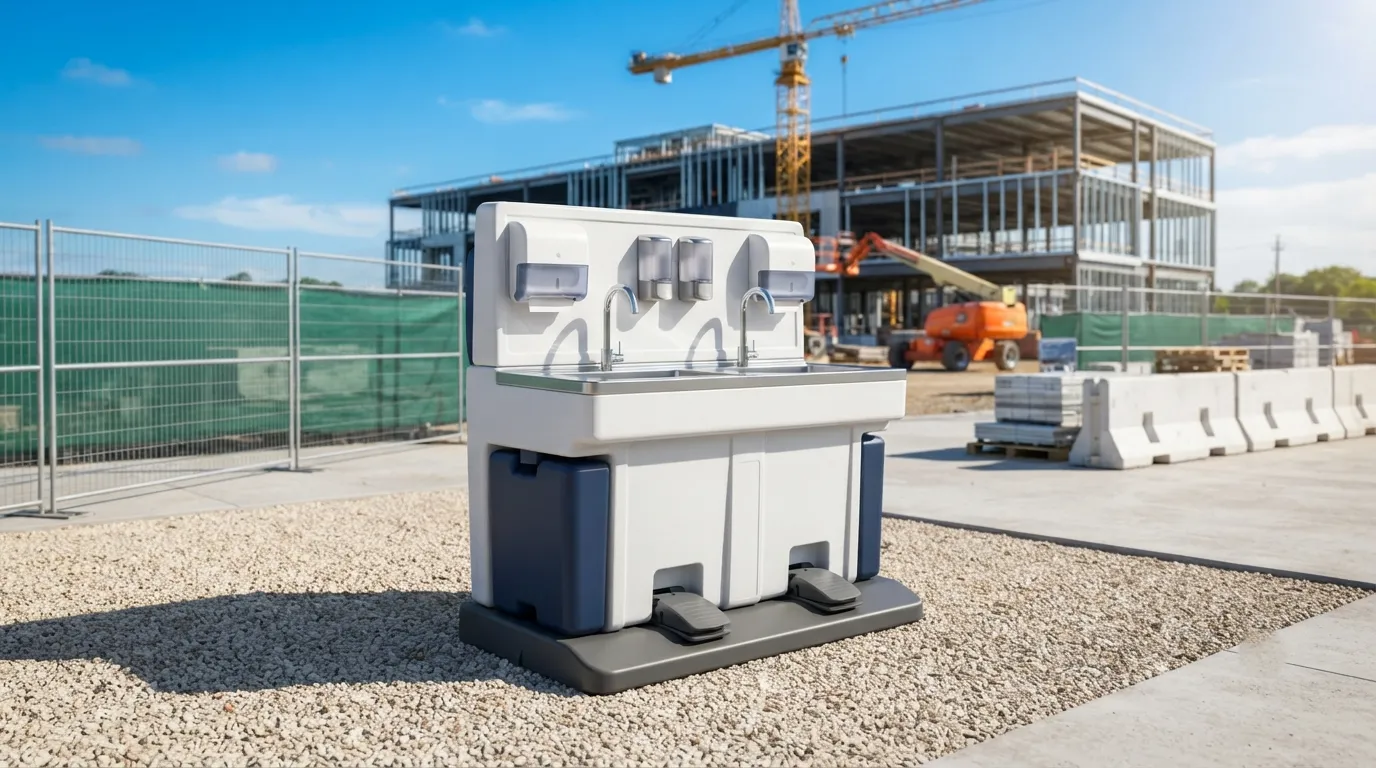
You can, a little, but chemical treatment only holds so long. Adding extra deodorizer between visits helps mask gas short-term, and keeping the door closed when not in use slows evaporation into the air around it. Ventilation vents built into the unit roof do some of the work passively. What you cannot do is skip the tank-level fix: 29 CFR 1910.141(d)(2) requires soap and towels or a hand-drying device at washing facilities, and while that rule is about hygiene rather than odor, clean hands and a stocked unit go together in how a site actually feels to workers. For sites running paint, coatings or solvents, OSHA 1926.51(f)(1) requires washing facilities specifically because of those contaminants, and a handwashing station rental placed next to your porta potties covers that need without extra plumbing. If a unit still smells strong right after a scheduled service, call it in. That's usually a tank sensor or a service miss, and Toms River Porta Pros treats that as a same-day fix, not a next-week fix.
Renters near Berkeley, 7.7 miles south of Toms River, and Manchester, 14.2 miles west, get the same weekly service schedule, so distance from our yard doesn't change how often your unit gets pumped. If you're farther out, like Lacey at 16.4 miles southwest, check service areas to confirm your route and timing.
Do porta potties always smell bad?
No. A unit serviced weekly under the ANSI/PSAI Z4.3 interval and placed with some shade rarely smells strong. Most complaints trace back to a missed service date, overuse relative to headcount, or a unit baking in full sun all day with no airflow.
How often should a porta potty be pumped?
Weekly is standard for up to 10 users over a 40 hour week, per the ANSI/PSAI Z4.3 baseline. High-traffic events or larger crews need more frequent service. See how often are porta potties cleaned for scheduling by use case.
Do flushable units smell less than standard ones?
Yes. The flush action moves waste away from the seating area instead of letting it sit exposed at the surface. A deluxe flushable porta potty costs more per week but smells noticeably less in warm weather.
Does placement in the sun make odor worse?
Yes. Direct sun raises tank temperature and speeds up gas buildup. Partial shade and good airflow slow that process. The porta potty placement guide has specifics on where to set units on your site.
Can I get a same-week fix if my rental smells bad?
Call Toms River Porta Pros directly. An off-schedule smell almost always means a missed pump or overuse, and we treat that as a priority callback, not a wait-for-next-cycle issue. Use contact or request a quote to reach us fast.
Next step
Get a delivery date
Tell us the address, the dates and the headcount. We size the order and confirm the route.